
Parkstone Chiropractic and Wellness: Seven Everyday Posture Tips to Help Prevent Back and Neck Pain.

Good posture matters more than you might think
If you spend long hours at a desk, drive regularly, or find yourself looking down at your phone throughout the day, you are certainly not alone. Modern life places a great deal of strain on the body, and poor posture can gradually contribute to tension, stiffness, headaches, and ongoing back or neck discomfort.
At Parkstone Chiropractic and Wellness, we often see how small daily habits can have a big impact on musculoskeletal health. As a trusted chiropractor in Poole, our aim is not only to help people feel better, but to help them move better and stay well for the long term. Parkstone Chiropractic and Wellness describes its approach as patient-first, with care tailored to the individual, and offers chiropractic alongside wider wellbeing services under one roof.
Below are seven practical posture tips you can start using straight away.
1. Set up your desk properly

A poor workstation set-up is one of the most common causes of daily aches and pains. Try to keep your screen at eye level, your shoulders relaxed, and your feet flat on the floor. Your elbows should rest comfortably by your sides, ideally at around a right angle.
If you work from home, even a few simple adjustments can make a noticeable difference. A supportive chair, a laptop riser, or an external keyboard can all help reduce strain through the neck and lower back.
2. Avoid staying in one position for too long

Even if your posture looks “perfect”, sitting still for hours is not ideal. The body likes movement. Remaining in one position for too long can lead to stiffness in the spine, tight hips, and tension through the shoulders.
Try standing up every 30 to 60 minutes. Walk to make a cup of tea, gently stretch, or simply roll your shoulders and reset your position. These short movement breaks are often one of the easiest ways to support spinal health.
3. Be mindful of your phone position

Looking down at your phone for long periods can place extra stress on the neck and upper back. This habit is so common that many people do not realise how much it may be contributing to discomfort.
Instead, bring your phone closer to eye level when possible. It is a small change, but over time it can reduce the amount of strain going through the neck.
4. Strengthen your core and supporting muscles

Good posture is not just about sitting up straight. It is also about having the strength and stability to support your spine throughout the day. Gentle exercise, stretching, and targeted movement can all help improve posture naturally.
As a wellness clinic in Dorset, Parkstone Chiropractic and Wellness offers more than chiropractic care alone, with services on its website including Pilates, sports massage, podiatry, laser therapy, and other wellbeing support. This joined-up approach can be helpful for people looking to improve posture, mobility, and overall function.
5. Check how you stand

Posture is not only important when sitting. When standing, try to keep your weight evenly balanced between both feet, your knees soft, and your shoulders gently back and down. Avoid locking your knees or leaning more onto one hip, especially if you stand for long periods.
A quick posture check while waiting in a queue or brushing your teeth can be a useful daily habit.
6. Sleep in a spine-friendly position

Your sleeping position can also influence how you feel during the day. A supportive mattress and pillow matter, but so does your posture overnight. Sleeping on your side with a pillow between your knees may help some people, while back sleepers may benefit from a pillow under the knees.
If you regularly wake up feeling stiff or sore, it may be worth reviewing your sleep set-up.
7. Don’t ignore persistent discomfort
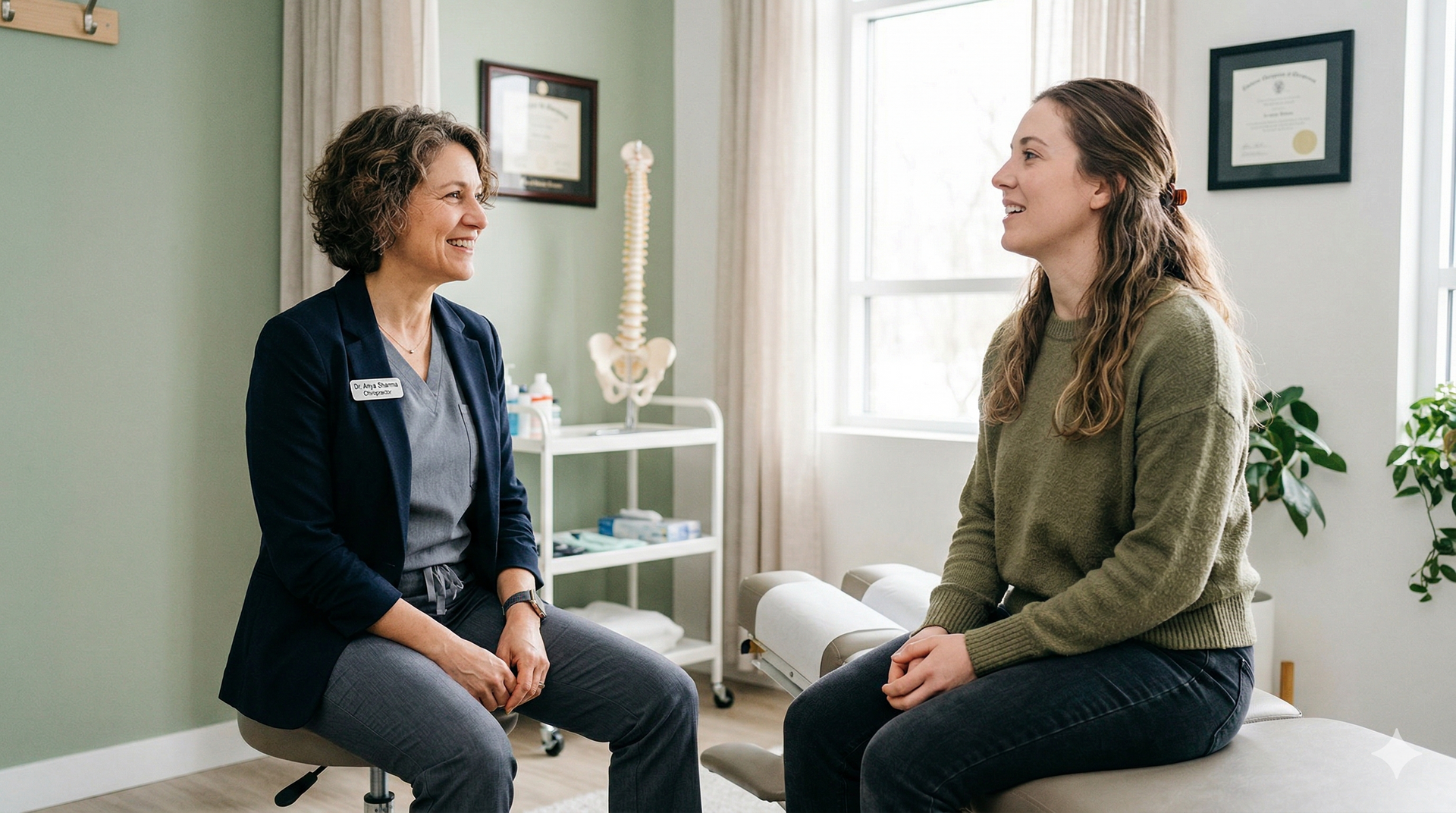
Occasional stiffness is common, but ongoing pain is worth addressing. If back pain, neck tension, or poor posture is affecting your work, sleep, or day-to-day life, professional advice can help.
Parkstone chiropractic care focuses on understanding the root cause of symptoms, not just masking surface-level discomfort. The clinic’s team includes chiropractors and other practitioners, and the website invites patients to book a consultation or speak with the team directly.
Take the next step towards feeling better
Improving posture does not have to mean making dramatic changes overnight. Small, consistent adjustments can make a real difference to how you feel.
If you are looking for a friendly, experienced
chiropractor in Poole, Parkstone Chiropractic and Wellness is here to help. Whether you are dealing with back pain, neck tension, or simply want support from a welcoming
wellness clinic Dorset patients can trust, now is a great time to take the next step.
Book an appointment today and start moving more comfortably. Visit our website for more information
www.pscw.co.uk